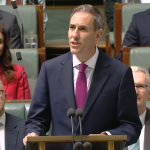
Ron Nelson explains the importance of performance reviews. Photograph by QAIHC.
Performance reviews are an essential tool in any business, offering a structured opportunity for managers and employees to assess performance, recognise achievements, and identify areas for growth. When done well, these reviews strengthen the employee-manager relationship and help align individual efforts with company goals, ultimately fostering a more productive, and hopefully enjoyable work environment, says QAIHC HR Manager Ron Nelson.
A performance review is a formal evaluation of an employee’s job performance, focusing on how well they meet their goals and contribute to the company. It’s more than just a routine check-in—it’s a valuable opportunity to reflect on progress, identify challenges, and set future objectives. Regular performance reviews provide clarity on what’s expected of employees and how their work fits into the company’s long-term strategy.
Why do performance reviews matter?
The purpose of a performance review is twofold: to highlight achievements and to address areas needing improvement. For employees, it’s a chance to understand where they excel and where they can grow. For managers, reviews are crucial for recognising top performers, addressing underperformance early, and fostering open communication. These conversations help employees align their efforts with company objectives, enhancing their contributions to the team.
Reviews also provide a space for employees to ask questions and share feedback with their supervisors, promoting mutual understanding and strengthening the working relationship. This ensures that both parties are on the same page, ultimately leading to a more engaged and effective workforce.
Managing underperformance
In some cases, performance reviews highlight underperformance. When this happens, best-practice employers respond promptly, offering support and clear expectations. If underperformance persists, a Performance Improvement Plan (PIP) can be introduced. A PIP outlines specific areas for improvement and provides a roadmap for the employee to follow.
Documentation is critical; managers should keep detailed records of conversations and feedback to ensure accountability and transparency throughout the process. Also, if the pathway takes a different turn and severing the employment relationship becomes necessary, documentation will assist with appropriate recourse.
Handling disciplinary meetings
For more serious issues like misconduct or habitual underperformance, disciplinary meetings may be required. These meetings address ongoing concerns and aim to correct behavior while providing employees with the opportunity to respond. The goal is to resolve the issue and retain the employee where possible, maintaining a positive and productive workplace. Performance reviews are vital for guiding employee growth, ensuring alignment with business goals, and addressing performance issues. By fostering clear communication and focusing on development, companies can build a culture of continuous improvement, enhancing both individual and organisational success.
For more information on performance reviews visit the HR resources page on the QAIHC website at www.qaihc.com.au/resources/hr-resources.
Useful review tools:
- Most recent review
- Emails and other correspondence
- Observations of productivity/outcomes
- Inter/intra-departmental feedback
- 1 up/1 down solicited feedback
- Employee self-evaluation
- Leave records (absenteeism issues)