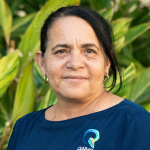
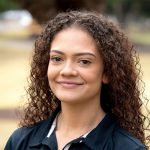
ATSICHS Brisbane CEO Renee Blackman. Image: QAIHC
ATSICHS Brisbane CEO and QAIHC Director, Renee Blackman, has been a strong advocate for the health and wellbeing of Aboriginal and Torres Strait Islander people for more than 30 years.
A proud member of the Gubbi Gubbi (Kabi Kabi) nation, she has worked across primary health care, acute care and community health in operational, management and leadership roles. Renee talked to Sector Leader about legacy, leadership and her health career.
Can you tell us how you started out as an Aboriginal Health Worker?
An advertisement for an Aboriginal Health Worker came up at Queensland Health (in the early 1990s), and I thought to myself, I could give that a bit of a shake.
I loved being a health worker. It’s a great career in terms of teaching primary health care, remaining connected to your community and providing advice and health promotion, education and walking along people’s journeys with them.
You gained a Bachelor of Nursing in 2000 and worked as a Registered Nurse for six years, before you returned to the ACCHO sector. Why did you return?
I was passionate about health issues… I knew that people were dying younger in my family, and they didn’t realise that they were preventable diseases.
I wanted to be at the start of the journey rather than after the horse had bolted. You still walk along the pathway with people in terms of treatment, especially after a diagnosis. You’re still helping people with chronic illnesses and, maybe end of life care… (In this sector) you get to be at the front of the cart. You get to be at the prevention end.
In 2023, you were appointed CEO of ATSICHS Brisbane, the first ACCHO in Queensland. How does it feel to lead an organisation with such a proud legacy?
(ATSICHS Brisbane) was established in May of 1973, and it came directly after (AMS) Redfern in 1971. Our founders saw what was happening in and around the health space and thought to themselves, ‘you know, we could do what Redfern is doing.’
It was born out of necessity… Racism was such a huge issue in blocking access to basic health care for people. And people were just not feeling safe, nor were they feeling cared for when they went into some of the mainstream services, whether they be hospitals or GP services.
So, very humble beginnings from a little fruit shop in Red Hill (that was repurposed into a clinic). Nurses, doctors, they were all volunteers. No one was paid. I think there were around 10 or 12 people maybe when we started. And we’re at over 600 now.
I think working for an organisation, one as old as this one with such a proud legacy, is a privilege.
How is ATSICHS Brisbane meeting the needs of the community now?
I think people vote with their feet. If you are not providing what the community want, they won’t walk through your door.
When that translates into numbers that are healthy, that’s great.
We’ve got five medical clinics, two dental clinics with a dental lab, three kindergartens, a birthing program, youth programs, and a huge community services component. We also have a housing component; a crisis accommodation centre and we’re about to build two residential accommodation spaces.
What’s your greatest priority as CEO?
My greatest priority as the CEO is warming the seat to continue the good work that started way back in the 70s and has carried through to now, and making sure that whatever we’ve committed to over the next five to 10 years is delivered in a way the community is happy with.
Who inspires you?
Of course, the founding members… We’re fortunate to have Uncle Les Collins, who still continues to give us advice. Speaking to founders or people who were there back in the 70s always grounds you. Aunty Mary Martin who was instrumental in the early days of AMSs in SEQ is also a great source of inspiration and guidance.