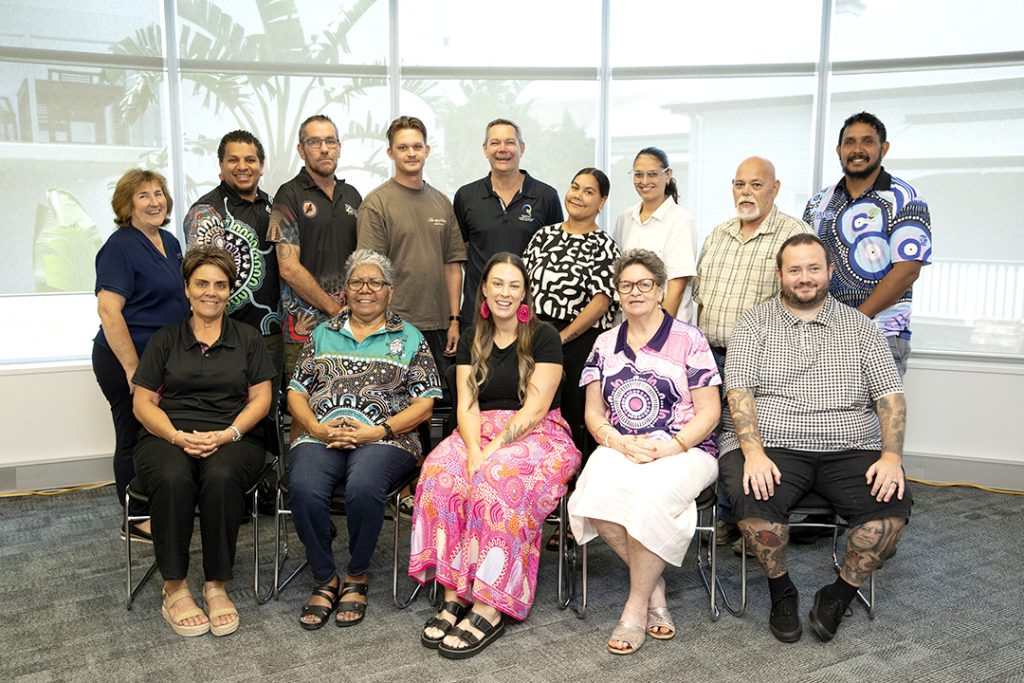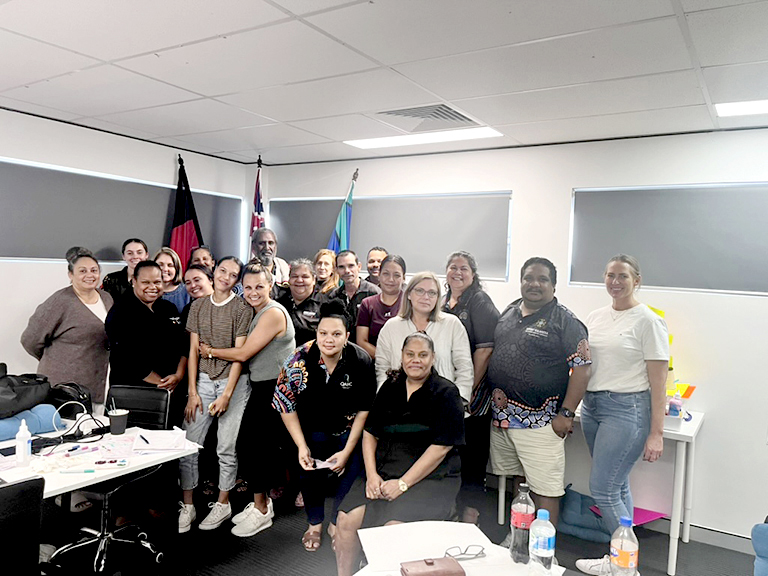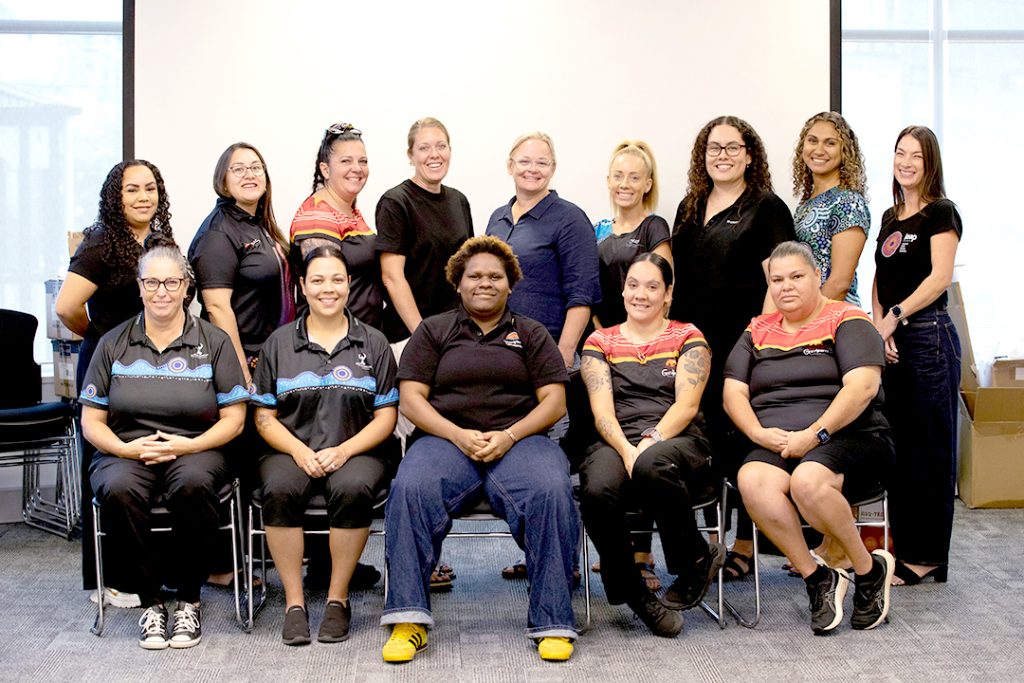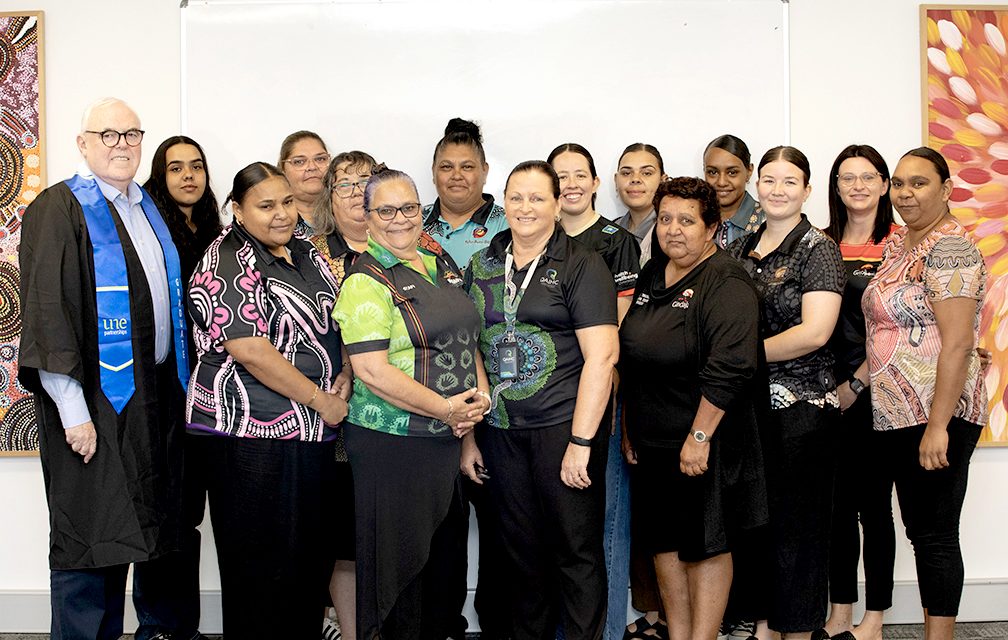
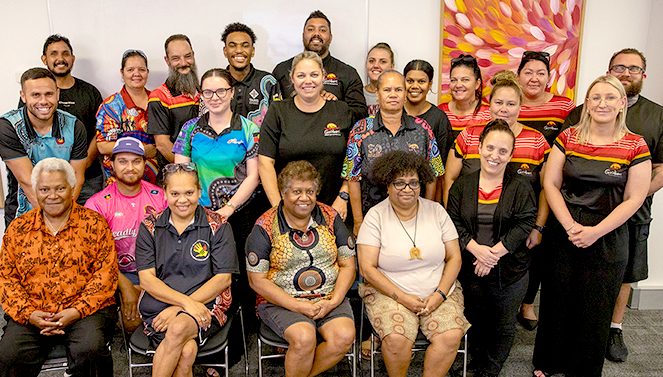
The cohort of the Certificate III in Business (Medical Administration), delivered in partnership with UNE Partnerships. Image: QAIHC
QAIHC continues to lead a coordinated, place-based approach to workforce development by delivering targeted training that strengthens capability, supports career progression, and builds a sustainable ACCHO workforce for Queensland.
In the first half of 2026, hundreds of ACCHO staff participated in programs spanning clinical practice, leadership, community services, and workplace safety.
This reflects a deliberate investment in strengthening the current workforce as the foundation for future growth.
“Our workforce is the backbone of the ACCHO sector,” QAIHC Workforce and Development Jurisdiction Manager Adam Stephen said.
“These initiatives are about more than training — they support our workforce to build skills, strengthen cultural authority, and learn together in ways grounded in community and context.”
Building skills across the workforce pipeline
QAIHC’s delivery models bring together nationally recognised qualifications, short courses and targeted skill development, centred around the needs of ACCHOs and the communities they serve.
Programs are delivered in ACCHO-only cohorts, creating culturally safe, peer-supported learning environments where participants can share knowledge and experiences from across the sector.
These cohorts often bring together groups spanning generations thus encouraging knowledge exchange, strengthening cultural authority, and building confidence.
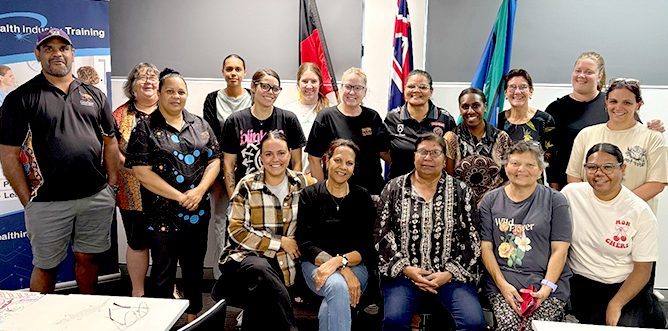
In February, 22 ACCHO professionals were welcomed to QAIHC’s South Brisbane office for the second learning retreat of the Diploma of Community Services, delivered in partnership with Health Industry Training. Applying learning directly to community context, the group up-skilled in complex needs assessment, crisis response and case management.
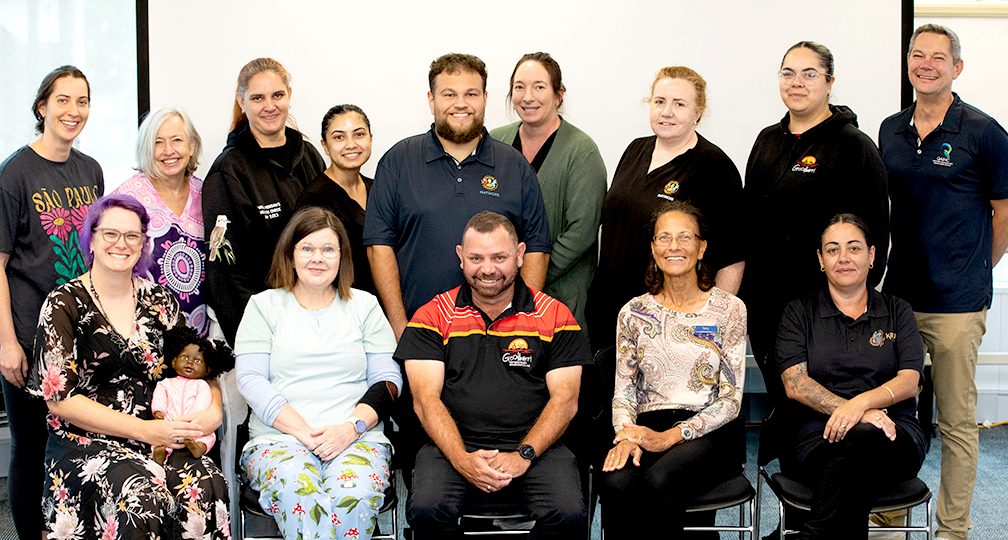
Similarly, 17 participants from nine ACCHOs undertook the Diploma of Practice Management to build skill in operational leadership, financial oversight, workforce management and compliance systems. All critical skills for the effective delivery of primary health care services.
QAIHC is working to grow the sector’s internal training capability, with leaders from eight organisations undertaking the Certificate IV in Training and Assessment. This program allows experienced ACCHO staff to become qualified trainers and assessors, while also contributing to the development of a culturally safe training workforce for the sector. This program supports ACCHOs to partner more effectively with training providers and, over time, play a greater role in the delivery and facilitation of training for their own workforce.
Investing in leadership and long-term workforce growth
In March, QAIHC launched the inaugural Diploma of Leadership and Management program for the ACCHO sector, with 21 participants from 13 Member organisations. Supported through NIAA SEWB Workforce funding, the program is building leadership capability in existing workforce cohorts and enabling succession planning across the sector.
QAIHC provides foundational workforce pathways through the long-standing Certificate III in Business (Medical Administration), delivered in partnership with UNE Partnerships. Operating for over 20 years, this program has produced many of the sector’s current practice managers, corporate leaders, and finance professionals.
Strengthening clinical capability and community outcomes
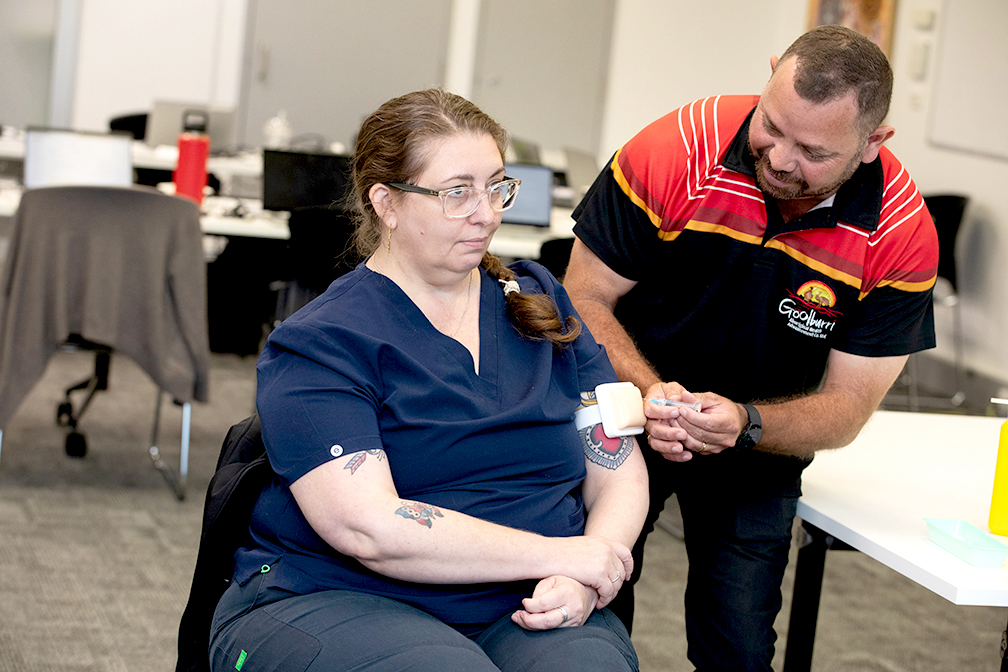
Through its partnership with Benchmarque Group, QAIHC has coordinated delivery of the nationally recognised five-day Immunisation Course for Health Professionals. Held in Cairns, Townsville and Brisbane, a total of 34 clinicians from 11 ACCHOs were accredited under the National Immunisation Education Framework, improving local capacity to deliver immunisation services in Community.
QAIHC also hosted a NACCHO-funded ASQ-TRAK2 Practitioner Training Workshop in April, supporting early identification of developmental strengths and needs in Aboriginal and Torres Strait Islander children, through culturally appropriate screening tools.
Supporting safe, culturally responsive workplaces
Recognising the importance of workforce safety and wellbeing, QAIHC partnered with the Crisis Prevention Institute to deliver Verbal Intervention and Safety Intervention training to more than 250 frontline staff from 25 ACCHOs.
Delivered across 12 workshops, this training equips staff with trauma-informed, person-centred approaches to de-escalation, safer interactions and improved outcomes for clients and communities.
Through these initiatives, QAIHC continues to work alongside ACCHOs, training providers and partners, strengthen the current workforce and position the sector for sustainable growth.