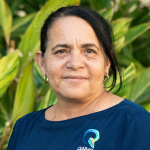
QAIHC Public Health Medical Director, Associate Professor Sophia Couzos
QAIHC Public Health Medical Director, Associate Professor Sophia Couzos provides an overview of the QAIHC Medication Shortages position statement.
Australia’s dependence on importing over 90% of its pharmaceuticals has led to an alarming increase in medication shortages, exacerbated by global supply chain disruptions since the COVID-19 pandemic. These shortages disproportionately impact Aboriginal and Torres Strait Islander populations, already burdened by higher rates of preventable diseases such as acute rheumatic fever (ARF) and rheumatic heart disease (RHD). Access to essential medications is vital for mitigating these health disparities, but current measures fall short.
Current challenges and impacts
Critical shortages, such as those of benzathine benzylpenicillin (Bicillin LA) and 5% permeation cream, highlight systemic gaps. These medications are essential for preventing and managing ARF, RHD, and scabies—conditions disproportionately affecting Aboriginal and Torres Strait Islander people. While substitute products have been approved by the Therapeutic Goods Administration (TGA), delays in Pharmaceutical Benefits Scheme (PBS) listing often result in prohibitively high costs, further restricting access.
Community pharmacists can sometimes substitute medications through Serious Scarcity Substitution Instruments (SSSIs), but this solution is limited by the availability of alternative formulations. National initiatives like the Medical Stockpile and the Special Access Scheme provide some support but fail to address the unique challenges faced by Aboriginal community controlled health organisations (ACCHOs). ACCHOs cannot currently access critical stock held by Queensland Health’s Central Pharmacy, leaving patients vulnerable during shortages.
Recommendations for a sustainable solution
QAIHC makes the following recommendations for State and Federal health systems as a way to avoid further medications-related inequities.
Recommendation 1:
The TGA and Queensland Health adopt systems that can recognise when medication shortages are likely to disproportionately affect the Aboriginal and Torres Strait Islander population. This is to trigger timely and bespoke policy responses to pre-empt and minimise healthcare related harms. By their nature, the impact of such medication shortages will be most evident by primary health care service providers. They will therefore require collaboration with NACCHO and QAIHC to enable the Department of Health and Ageing and Queensland Health to have a line of sight to the problem.
Recommendation 2:
The TGA and PBAC establish mechanisms to fast-track the PBS approval processes for TGA approved substitute medications whenever medication shortages disproportionately and adversely impact on equitable primary health care delivery to the Aboriginal and Torres Strait Islander population.
Recommendation 3:
That Federal and state health authorities create and formalise a process for the redistribution of specified essential medications to Aboriginal and Torres Strait Islander community-controlled health organisations to assist patients during times of medication shortages. The process would activate whenever medication supply cannot be guaranteed from a community pharmacy. Such processes may include:
a. A direct subsidy scheme that permits ACCHOs to order TGA approved alternative medications directly from a central federal supplier. Such a system could be co-designed with NACCHO and support ACCHOs to order medicines that have been secured for use and distribution specifically to Aboriginal community-controlled health organisations at times of medication shortages.
b. Queensland HHS Directives in collaboration with individual ACCHOs, where clinical need arising from TGA-informed medication shortages triggers the HHS to approve the release and supply of TGA-approved substitute medications sourced from Central Pharmacy, directly to the ACCHO.
c. The development of a real-time inventory management surveillance tool to aid in the redistribution of essential medications to where shortages will adversely impact health equity efforts.
Recommendation 4:
To reduce the need for individual prescribers to carry out this work themselves, the TGA provide readily available and clear information to prescribers on the substitute medication including ingredients, method of administration, labelling, storage information, transport requirements with comparisons to the original product.
These actions, aligned with the Queensland Health Equity Framework, would ensure a coordinated, equitable approach to medication supply. Without such measures, medication shortages will continue to exacerbate existing health inequities, perpetuating adverse outcomes for Aboriginal and Torres Strait Islander communities.