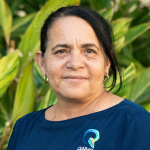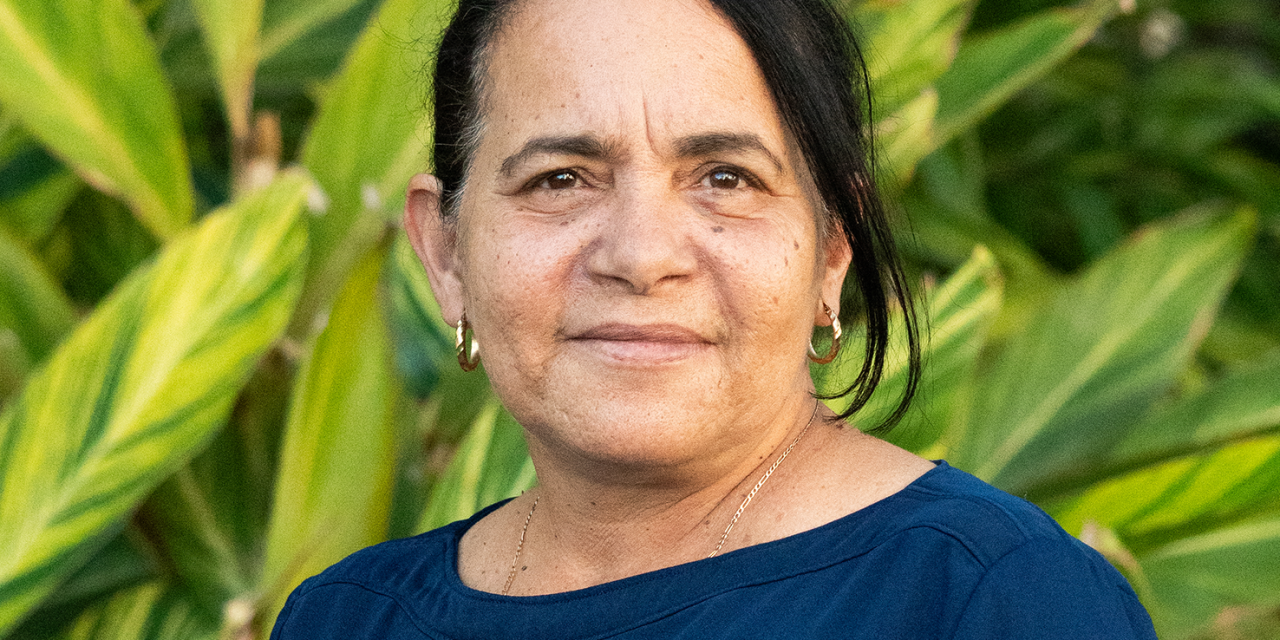
QAIHC Acting CEO Paula Arnol said change is not happening quickly enough in Closing the Gap. Image: QAIHC
National Close the Gap Day has passed, but QAIHC says its message remains as urgent as ever: improving outcomes for Aboriginal and Torres Strait Islander peoples requires long-term investment, genuine partnership and solutions led by Community.
The latest Closing the Gap Dashboard update shows progress remains challenging, reinforcing what communities have long said — lasting change happens when solutions are culturally grounded, led by community and supported long term.
QAIHC Acting CEO Paula Arnol said the data was a reminder that governments must change their approach if they want different outcomes.
“The latest Closing the Gap data shows that change is not happening quickly enough,” Ms Arnol said.
“Our communities have the knowledge, leadership and solutions. What is needed now is sustained investment, genuine partnership, and a commitment to backing Aboriginal and Torres Strait Islander people to lead the way.”
Across health, justice, and social and emotional wellbeing, the data highlights the need for systemic change.
For Target 2 — born healthy and strong — the proportion of babies born in Queensland at a healthy birthweight has not improved, sitting at 89.4 per cent in 2023, compared with 89.5 per cent in 2022. The target remains off track nationally.
For Target 10 — criminal justice — the rate of adult incarceration in Queensland continues to rise, increasing from 2204.5 per 100,000 in 2024 data to 2278.3 per 100,000 in 2025 data.
For Target 11 — youth justice — there has been a slight improvement, with youth detention falling from 41.6 per 10,000 in 2023–24 to 40.6 per 10,000 in 2024–25. However, Queensland remains the largest jailer of Aboriginal and Torres Strait Islander children, both by number and rate.
For Target 14 — social and emotional wellbeing — too many Aboriginal and Torres Strait Islander people continue to die by suicide. In Queensland, the rate remains steady at 26.1 per 100,000 over 2020–2024. Nationally, the rate has risen from 31.8 per 100,000 in 2023 to 33.9 per 100,000 in 2024.
Ms Arnol said the results could not be viewed in isolation.
“Health, justice, family wellbeing, and social and emotional wellbeing are deeply connected,” she said.
“When people cannot access culturally safe care, when families are not supported early, and when communities are not properly resourced, the impacts are felt across generations.”
QAIHC continues to call on the Queensland and Australian governments to build partnerships with the ACCHO sector, ensuring services are well-funded, culturally safe and community-led across social and emotional wellbeing, mental health and alcohol and other drug supports.
“ACCHOs are already delivering what works,” Ms Arnol said.
“They are trusted, embedded in community, and understand the cultural, social and health needs of the people they serve. Governments must work with the sector as true partners.”