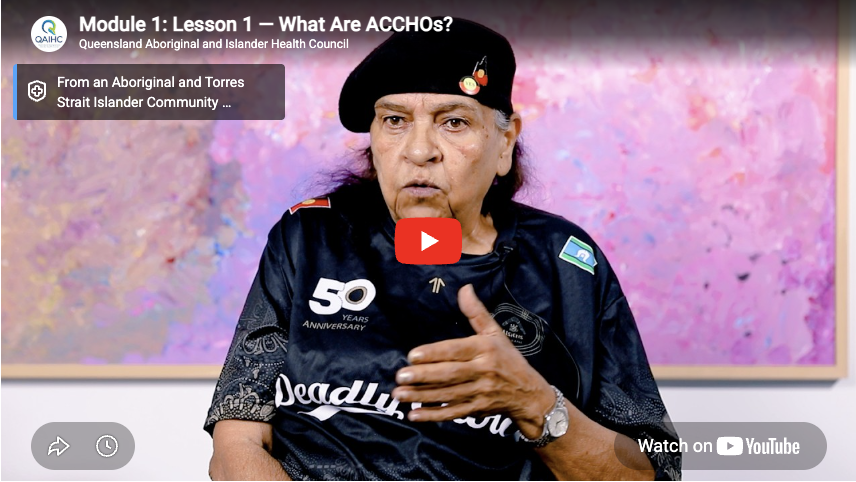
Aunty Dr Mary Martin speaking on the history of the ACCHO sector in the first Learning Resource video. Image: QAIHC YouTube
A new online resource has been developed for health professionals entering the Aboriginal and Torres Strait Islander community controlled health organisation (ACCHO) sector.
The ACCHO Sector Orientation Learning Resource preserves the stories and legacy of the leaders who helped to build the sector. It gives doctors, specialist trainees and other health professionals a practical, self-paced introduction to the sector’s history, values, model of care and cultural foundations. This will help them begin work in the sector with greater confidence, respect and cultural safety.
Developed by QAIHC with funding from the Royal Australasian College of Physicians (RACP), the project sets out the truth of the history, legacy and significance of the sector as well as its contribution to the health of Aboriginal and Torres Strait Islander people.
“It is about honouring the leaders who have created and fostered this sector and ensuring their stories, knowledge and contributions are not lost,” Project Lead and QAIHC Public Health Medical Director, Associate Professor Sophia Couzos, said.
“It’s critical that the historical significance of ACCHOs is understood by everyone, including governments and policymakers.
“ACCHOs are the torchbearers of comprehensive primary health care in this nation.
“At a time when government policy continues to undermine primary health care through poorly planned reforms including virtual care, the ACCHO sector reminds us how critical quality primary health care is to a cost-effective health system.”
She said the resource was designed to help doctors understand a comprehensive primary health model of care, before stepping into practice.
“While they may bring strong clinical skills, they may not yet understand the history, principles and community-controlled foundations that shape the sector,” she said.
“This resource helps bridge that gap. By completing the resource before or during a placement, doctors can build a stronger understanding of why community control matters, how ACCHOs work, and how they can contribute in a culturally safe and respectful way.”
The online resource can be completed at the learner’s own pace with five modules that cover:
- the history of the ACCHO sector and its model of care
- Aboriginal and Torres Strait Islander Health Workers and Health Practitioners
- Australian health system basics
- Aboriginal health policy
- Continuous Quality Improvement (CQI) and National Key Performance Indicators (nKPIs).
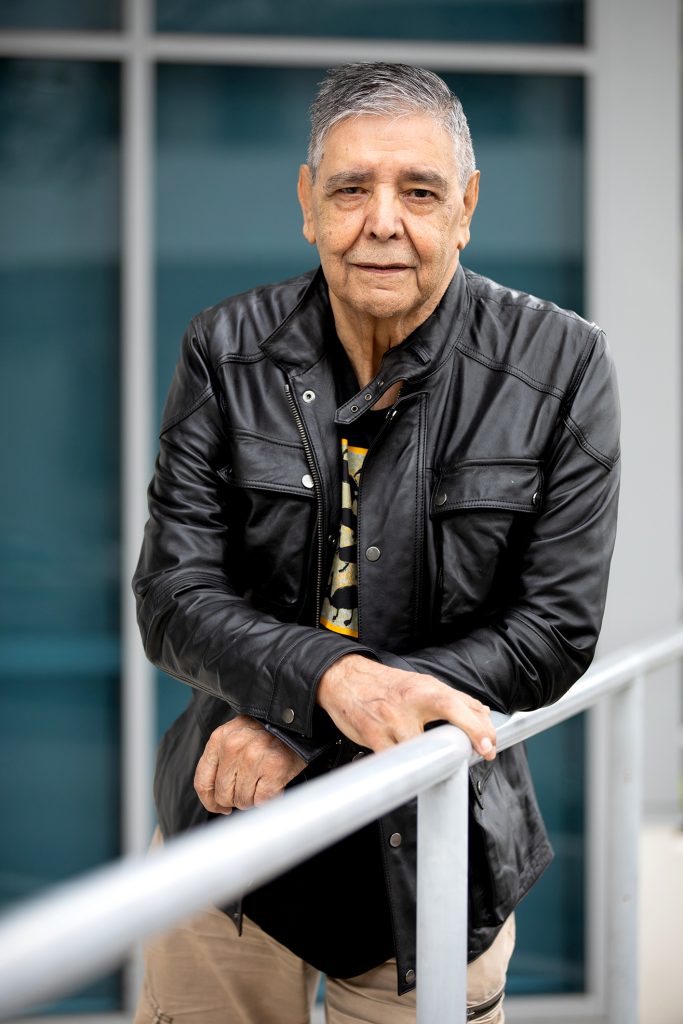
The resource features filmed interviews with 19 leaders of the sector, founders and practitioners from Brisbane and South East Queensland, Cairns, Townsville, Charleville and Canberra.
“What makes this resource so powerful is hearing directly from the people who helped build and shape the ACCHO sector,” Associate Professor Couzos said.
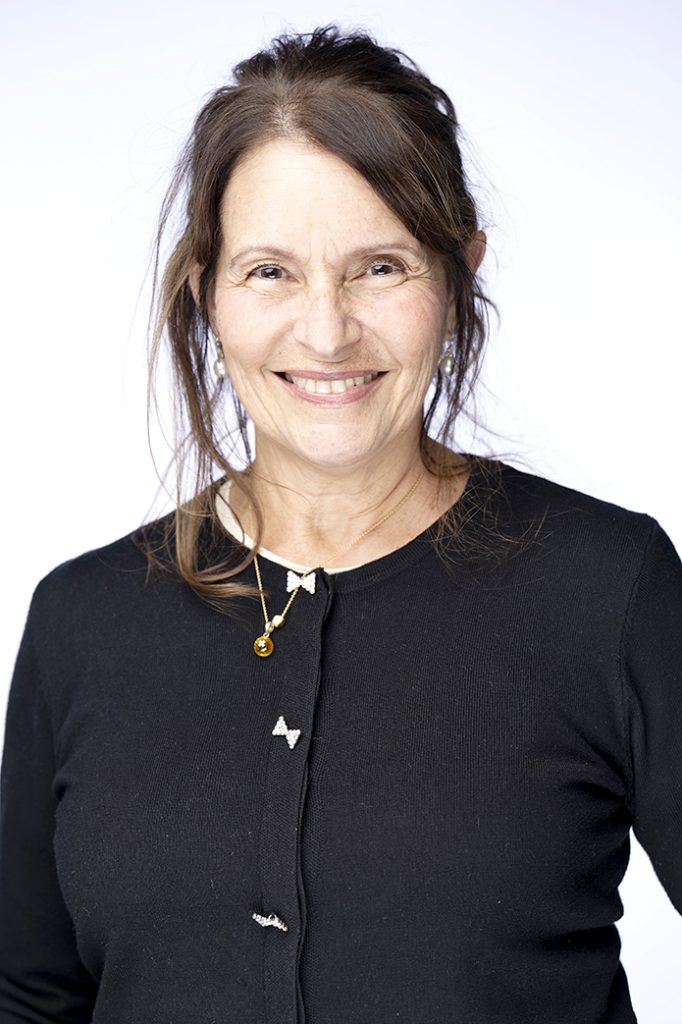
“Hearing directly from our ACCHO leaders brings the sector’s history to life and shows how that legacy continues today.
“Unfortunately, due to time and resource constraints, the team could not interview all of the sector’s many influential leaders, but QAIHC acknowledges and respects their contributions and thanks them deeply.”
A/Prof. Couzos thanked Acting CEO Paula Arnol for instigating the project — noting there was previously no resource like it in the sector — and acknowledged the RACP for funding and support making it possible.
The resource was developed under the guidance of a Governance Committee of ACCHO sector CEOs (Stevan Ober, Paula Arnol, Sheryl Lawton and Rachel Atkinson) ensuring cultural oversight and sector leadership were embedded from the beginning.
“We hope the resource will become a standard orientation tool for RACP registrars undertaking ACCHO placements, and over time be made available more broadly to other medical colleges, allied health professionals, universities and training organisations,” A/Prof. Couzos said.
“The ACCHO Sector Orientation Learning Resource is more than a training tool — it is a living archive of sector knowledge and a practical resource for building a more culturally capable health workforce.”
Visit acchosectororientation.com.au and click ‘Register’ to create an account and access the resource.