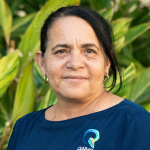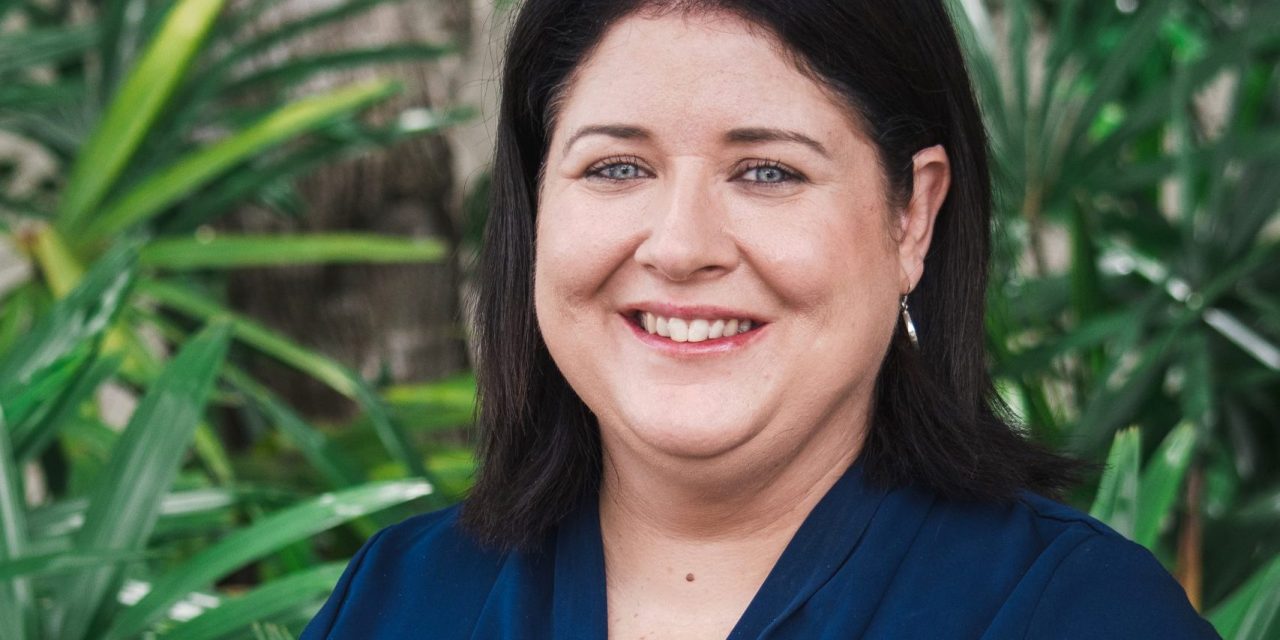
Anna Sheahan Celebrated a decade with QAIHC in January. Image: QAIHC
Long-term staff member Anna Sheahan celebrated her 10th anniversary at QAIHC in January. Starting out as a Data Reports officer in 2015, Anna is now the QAIHC Data Analyst Lead. Her role includes managing data governance policies and procedures, responding to Member requests, helping with reporting and managing projects.
How did you start at QAIHC and what has kept you here for 10 years?
When I was studying Indigenous primary health care at uni, I remember thinking I would like to end up in data or research work in Indigenous health. I liked the idea of working in the background to support frontline workers and having landed this job 10 years ago — it was like a dream come true. I think what has kept me at QAIHC for 10 years is the overall supportive workplace — the QAIHC family and mainly the QAIHC vision aligns with my own purpose and passion.
What do you enjoy most about your role?
I love supporting Member services and doing the data crunching and making reports that show the evidence of the good work our Member services do. I also enjoy training Member services on the PenCS Clinical Audit Tool and Topbar and learning about how data is used in the services.
How has QAIHC changed and evolved over the past 10 years?
QAIHC has changed a lot over the 10 years in lots of ways, I’ve seen changes in executive management, staff changes, building location, and strategic direction. But I think the core purpose and values have remained the same in terms of serving our Members and providing support and leadership.
What is one of your best memories of working at QAIHC?
One of my favourite memories is the 25-year gala dinner and seeing Archie Roach play. I’ve had a lot of fan-girl moments like meeting Cathy Freeman, Steve Renouf, Patrick Johnson and now working alongside Associate Professor Sophie Couzos — who wrote the textbook I studied from at uni — is a spin out.
What inspires you most about the ACCHO sector?
I think it’s the strength of the ACCHO Member services staff, that work so hard and are expanding to meet community needs and continually adapting to challenges. ACCHOs are such an important part of the health system because they are so responsive to community needs and deliver services that are culturally safe. I really believe the ACCHO sector is integral to keeping Aboriginal and Torres Strait Islander culture strong and providing Community appropriate primary health care services.