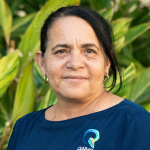
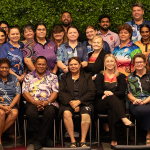
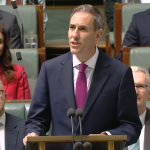
A new program in Townsville and Palm Island provides timely care for Indigenous families during the first 1,000 days for women and children. (Image: supplied)
A new program in the Townsville region, including Palm Island, is ensuring Indigenous families get quicker access to care during the crucial first 1,000 days for women and children.
The First 1,000 Days Social and Emotional Wellbeing program, funded by the Northern Queensland Primary Health Network (NQPHN), is in line with the Better Health North Queensland (NQ) Alliance’s First 1,000 Days Framework.
NQPHN is an independent not for profit organisation, funded by the Commonwealth Department of Health and Aged Care.
This program prioritises maternal and child health, as well as the social and emotional wellbeing of mothers, fathers, carers, and children.
Its aim is to diminish health disparities and guarantee that all children in the region commence life with a healthy start.
Mer Island (Murray Island) man and Townsville Aboriginal and Islander Health Service (TAIHS) Director of Health Services, Dr Sean Taylor said the team was passionate about early childhood development and healthcare, and personal, family, and community wellbeing.
“The First 1,000 Days program recognises that Indigenous children and their families often face unique challenges,” Dr Taylor said.
“Being able to provide critical resources, support, and guidance to families during the early stages of a child’s life is rewarding and fulfilling.
“Providing targeted support and culturally sensitive interventions, the program helps address specific needs and improves the overall health and wellbeing of Indigenous families in the Townsville and surrounding regions.”
NQPHN Chief Executive Officer, Sean Rooney said the first 1,000 days was a critical time in a child’s life, with early experiences being a predictor of health, development, education, and social outcomes, both in childhood and later in life.
“The first 1,000 days is defined as the period from conception through to a child’s second birthday,” Mr Rooney said.
“During this period, parents and children may receive access to a range of care and supports, including pregnancy care, birthing, post-birth care, and child development.
“The program aims to improve health outcomes for First Nations families and communities by providing care coordination and improving access to primary health care, including culturally, appropriate mainstream services, while keeping them connected to their community.”
Palm Island Community Company (PICC) CEO Rachel Atkinson noted the First 1,000 Days program allowed PICC to employ a small team who worked with the organisation’s health and community services to provide more targeted support for families on Palm Island.
“Our team is very excited about this program as it is new for Palm Island,” she said.
“We’re able to work more intensively with parents, supporting them and their babies through the first 1,000 days of their babies’ lives.
“We’ve employed a child health nurse and Aboriginal health worker to work in the program, and have a GP who will be working alongside them, focusing on maternal and child health.”
The First 1,000 Days program is in harmony with both the NQ First 1,000 Days Framework and the National Strategic Framework for Aboriginal and Torres Strait Islander Peoples’ Mental Health and Social and Emotional Wellbeing 2017–2023.
This article was originally published in the National Indigenous Times on 9 April 2024 and was written by Joseph Guenzler. To view the original article, click here.