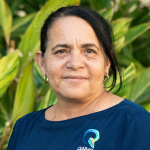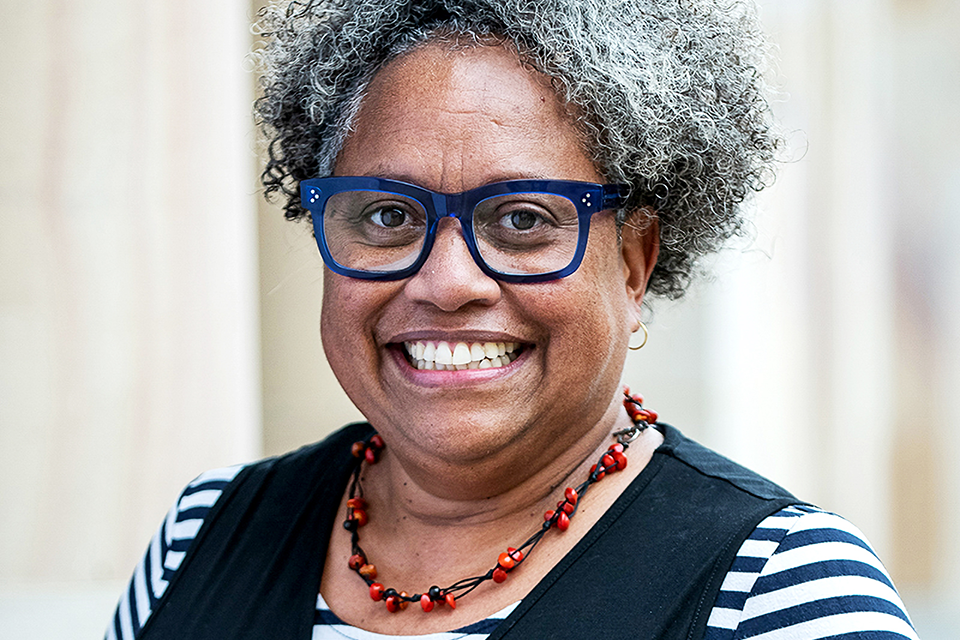
A/Prof Carmen Parter. Image courtesy of the University of Queensland.
Associate Professor Carmen Parter takes the helm at Girudala
After a 30-year career in government and research in New South Wales, Carmen Parter is finally returning to her roots as the new Chief Executive Officer of Girudala Community Cooperative Society in Bowen.
“Country has finally called me home“, she said.
Carmen’s appointment will see her working at Girudala, which runs a range of initiatives including a medical centre, health programs, aged-care, family wellbeing and young people projects and an affordable housing program.
She will continue working part-time as the Lead at Djurali Centre for Aboriginal and Torres Strait Education and Health Research, based in New South Wales.
Carmen said she was thrilled to be moving back to her mum’s Country, the Juru clan of the Birra Gubba Nation, which encompasses her birthplace, Bowen.
“I’m proud to go back and work on Country to be a steward for local families and community,” she said.
“I’m excited to be moving into the ACCHO sector and being able to use the skillset that I acquired through government and education to help the people of Bowen. I’m at a point in my life where I really want to give back to my community.”
Carmen was born in Bowen, but her family moved to Orange in NSW for work opportunities when she was three. She remembers her mother being a significant influence in her life.
“I had a strong role model with my mum who was activist,” she said.
As a result, her drive to improve health outcomes for Aboriginal and Torres Strait Islander people has been a central force throughout her life.
After leaving school, Carmen became a registered nurse, midwife and women’s health nurse practitioner. It soon became obvious to her that health policy wasn’t “meeting community’s needs.”
Keen to make a difference, she trained as a policy maker in health for the NSW Government, before moving into law and justice with a role at the Aboriginal Justice Advisory Council.
After a short stint with the child protection system, Carmen went back to health. She moved up the ranks, ultimately becoming the statewide Director for Aboriginal Health in NSW.
“Despite doing some good work nationally and at a state level, I felt it still wasn’t responding to our needs and policy making wasn’t the answer,” she said.
“I felt like the evidence base wasn’t there for our community. I also felt that our culture wasn’t translated into policies. There’s a gap between government and western ways of doing things, and our people’s way of doing things.
“I thought I would try another way to influence change.”
Knuckling down, Carmen completed a Doctor of Philosophy, with her thesis focusing on a subject that was close to her heart, Decolonising Public Health Policy.
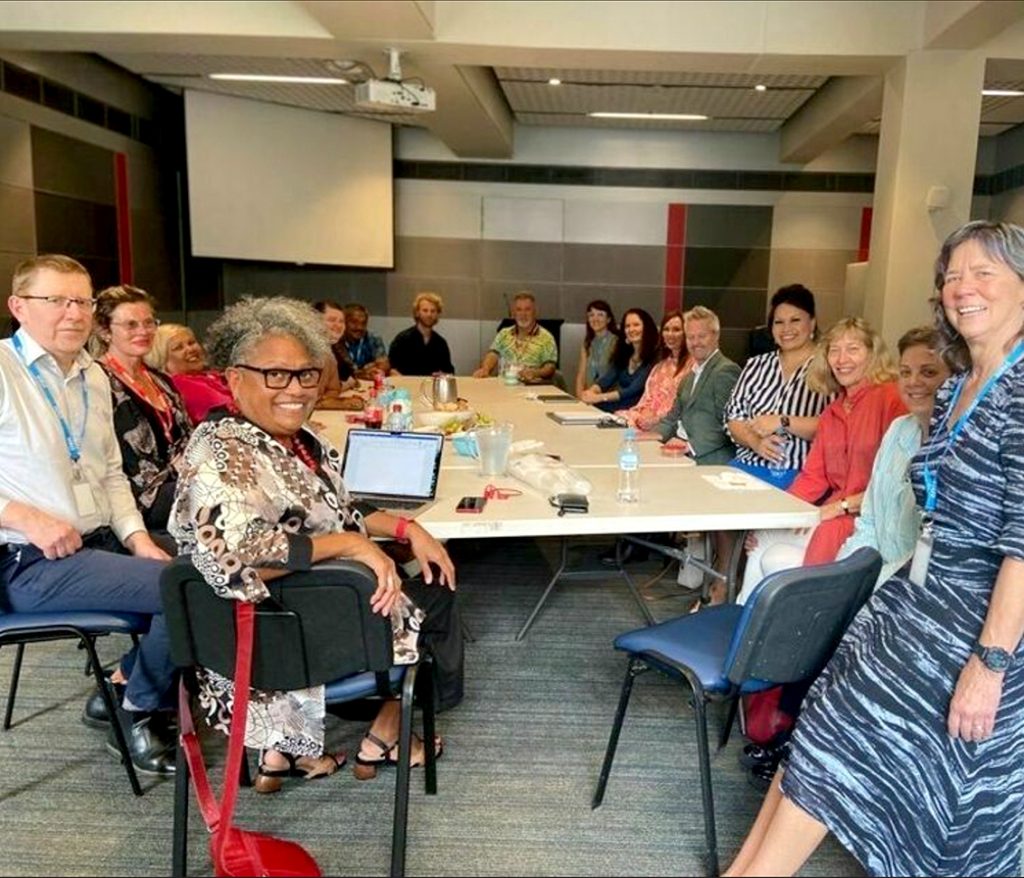
Carmen’s move into the research sector culminated with her appointment as Lead of Djurali, which is part of the Heart Research Institute in Sydney. At Djurali, the team turns research into impactful tangible change in community, healthcare, and in public policy aimed at improving the quality of life of Aboriginal people.
One of the Centre’s most successful programs has been the Atrial Fibrillation (AF) program. The program focuses on the early detection and better management of AF, the most common cardiac arrhythmia. Indigenous people are more likely to have untreated AF and are consequently exposed to an increased risk of AF-related stroke.
“What we’re most proud of at Djurali is our impact, we’re proud of the fact that we have long-standing relationships with Community, going back 10 to 20 years, and we have a good credibility in our communities that we’ve partnered and collaborated with,” Carmen said.
Looking back, Carmen said the decision to return home to Country was partly triggered by the outcome of the Voice to Parliament referendum last October.
“I just felt that if the broader Australian community wasn’t going to look after us, who was? Who’s going to look after our future generations? Who’s going to look after our kids and our grandkids?” she said.
“Our stories are invisible, and they aren’t being heard. Only we can look after ourselves!
“The skillset I have developed over the years will only contribute to doing something really deadly that will be sustainable for families in Bowen, Proserpine and Collinsville.”
With her eyes on the future, Carmen is determined to tackle institutional racism in the health sector.
“Racism is the biggest impediment for our mob,” she said. “Institutional racism should be a clinical safety and quality issue; the evidence is now strong enough to say (that it should be). Racism is the biggest challenge for a system like
Queensland Health — they have all the right policy tools to eliminate racism, but they don’t know how to do it.
“If policy makers really want to understand our issues like racism, they need to have an open heart and an open mind and deeply listen to the issues of Aboriginal and Torres Strait Islander people and walk alongside of us and do things with us and not to us”.
For more information on Girudala visit girudala.com.au.
For more information on Djurali Centre for Aboriginal and Torres Strait Islander Health Research and Education visit hri.org.au.